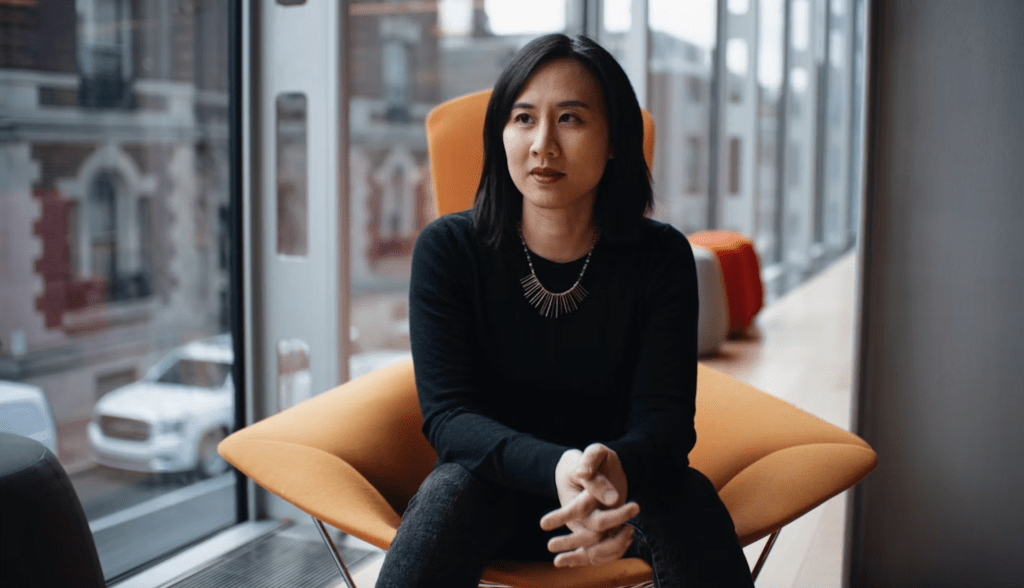
Billed as one of the biggest books of the year, the deeply moving new novel from Little Fires Everywhere author Celeste Ng imagines a dystopian future where the preservation of American culture has sparked brutal racism, family separation – and a secret resistance.
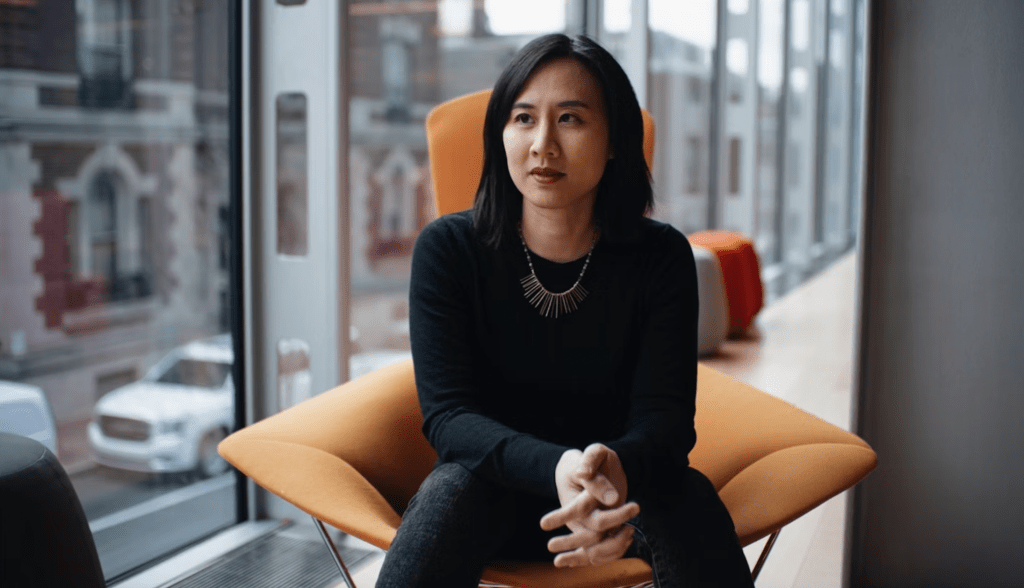
You only have to take one look at the news these days to realise that panic mode has officially been activated. Hurtling towards winter with a stark cost of living crisis, caught in the grip of an unrelenting war with global implications, and depending on where you live, watching on in horror as governments police women’s bodies, neglect the environment and fail to weather the fallout from the pandemic. In times like these, keeping up with political turmoil, let alone standing up to injustice, can feel impossible.
And yet, in the face of worsening inequality, a new era of collective action appears to be dawning. With rage simmering at the failings of the establishment, a rallying cry of “enough is enough” can be felt via the continuing strike action across the workforce and in large waves of protests against environmental crises, food and energy poverty and poor housing conditions. If there’s anything to be observed from the new movement of targeted activism, it’s that change can spring from the most unlikely of places.
It’s an interesting time, then, for Celeste Ng’s deeply moving new novel, Our Missing Hearts, to make its way out into the world. The number one bestselling author of Everything I Never Told You and Littles Fires Everywhere, which was adapted into an Emmy-winning series starring Reese Witherspoon and Kerry Washington in 2020, has a deft way when it comes to unravelling race, class and parent-child relationships in her work. In her third novel, the author returns with a dystopian tale that examines how authoritarian rule lies just on the other side of complacency.
Our Missing Hearts plunges us into an imagined near-future America where the government is on a mission to “preserve American culture” in the wake of a devastating crisis that brought years of economic depression and civil unrest. Classroom bookshelves now stand empty, colleagues and neighbours report each other for suspicious behaviour, and children are forcibly separated from parents accused of treason. As those in power fight to suppress free speech and creative expression, racist violence rages against Asian Americans on the streets.
Read the full interview here.
 CHRISTOBEL HASTINGS