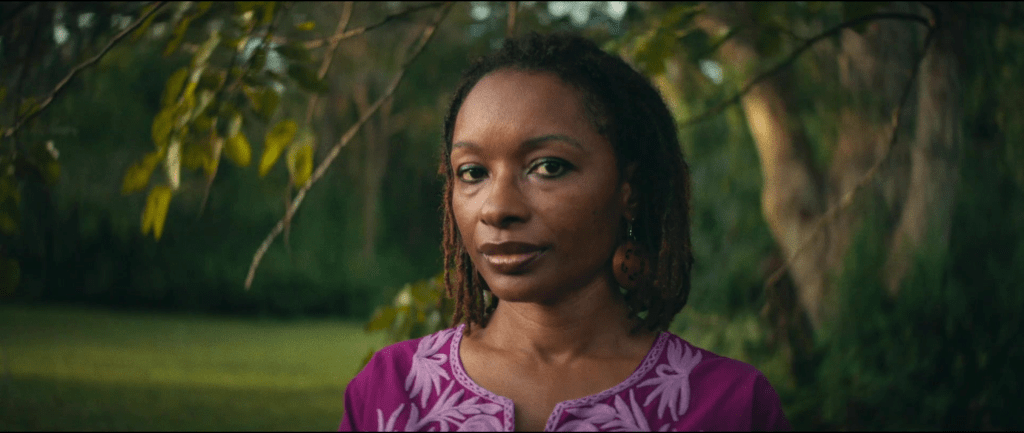
A stirring new documentary explores the discovery of the last ship to bring enslaved Africans to the United States, and a descendant community who refuse to be forgotten.
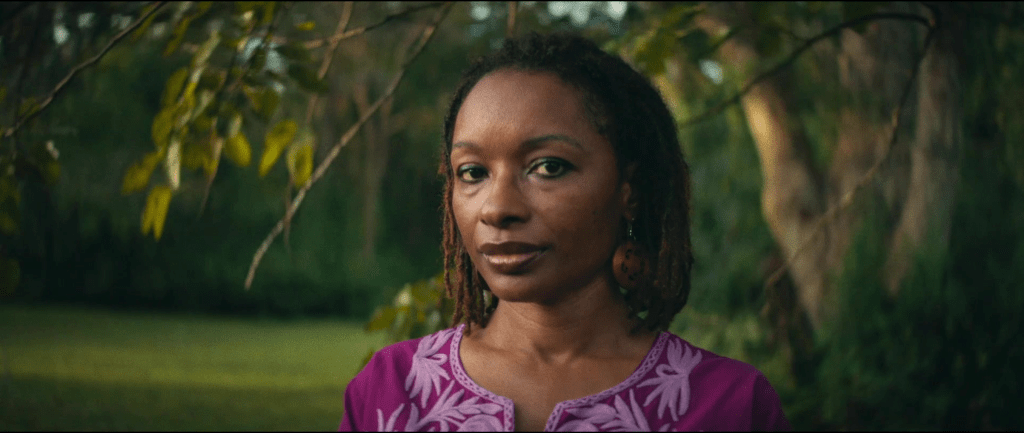
There’s a moment in Margaret Brown’s new Netflix documentary, Descendant, where four men gather in a sunny backyard in Mobile, Alabama. Though the meeting is informal, their mission is anything but: as descendants of the survivors of America’s last known slave ship, the men have resolved to form an association for the living relatives of those whose ancestors were illegally enslaved. “If and when that boat gets raised up,” says folklorist Dr Kern Jackson, “it ain’t because someone just discovered it. It’s because it was time for the boat to get raised up.” Fellow Mobile resident Garry Lumbers agrees. “The boat’s been there all the time. It’s just the idea of the consequences and the dirty little secrets that everyone been hiding. When you raise that Clotilda… oh my god.”
Brief though the exchange may be, it gets to the heart of a story that has for years been shrouded in shame, secrecy and silence. On the surface of things, Descendant tells the story of the search for the Clotilda, the last known slave ship to arrive illegally in the Unites States in July of 1860, more than fifty years after the US had banned the importation of slaves. After betting that he could smuggle a slave ship into the country and escape the consequences, wealthy Alabama plantation owner Timothy Meaher sailed to what was then the Kingdom of Dahomey, captured 110 Africans and returned to Mobile, where the captives were split up and sold into slavery. To conceal the evidence of his crime, the Clotilda was burned and sunk in the Mobile River, where its wreckage lay in the riverbed until its discovery in 2019.
But Descendant isn’t so much about the search for the fabled vessel as it is about the way the contours of injustice linger on far past a devastating historical moment. After the 13th Amendment officially abolished slavery in 1865, the newly freed survivors of the Clotilda founded Africatown, a tight-knit community just north of Mobile, where many direct descendants still live today. For generations, stories about how their ancestors were brutally torn from their homeland have been passed down by word of mouth, preserving the tale for Africatown’s current residents even as the shipwreck remained submerged from view. But the documentary proves that reclaiming history can be a tough fight when those in power are loathe to acknowledge its existence.
Although the descendants of the Clotilda’s passengers have always been assured of their family history, the story had long been dismissed as urban myth until the remains of the ship were unearthed in 2019. Margaret Brown, a white native of Mobile and the director behind Descendant, remembers nothing of the story growing up. “It’s certainly not something that there was any attention paid to,” she tells Stylist on a Zoom call. “In fact, there were many families, white families, that would say that communities were trying to just get attention”. While physical records of the voyage sit in the genealogical museum in Mobile, Brown encountered the same resistance from locals when she returned to her hometown to document the story of the Clotilda. “Even when we started filming, people would say to us off camera: ‘That’s not really true.’ Like, they’re just trying to get attention.”
Read the full feature here.
 CHRISTOBEL HASTINGS